
How It Works
Starting the process only takes a few minutes

Complete the Survey
Answer some brief questions and we’ll let you know whether you may be eligible to participate in the study.

Schedule an Appointment
If you qualify, the next step is speaking with a team member. Just find 10-15 minutes in your day and we’ll get you connected.

Speak to A Team Member
Our dedicated specialists understand your situation and will listen, answer your questions, and address your concerns. We’re here to help.

Understanding Cutaneous Lupus Erythematosus (CLE)?

What exactly is CLE?
Lupus itself — which exists in multiple forms — is an autoimmune disease wherein your body attacks its own tissues, causing damage to major organs like the heart, brain, lungs, or kidneys, and can involve the appearance of skin rashes.
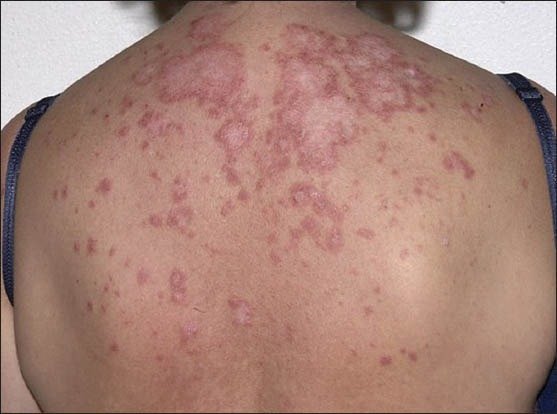
Cutaneous lupus erythematosus, also known as Skin Lupus, accounts for around 10% of all lupus cases and is broken into one of three types: chronic cutaneous lupus, subacute lupus, and acute lupus.1. Each type has similar symptoms — patients may experience red, inflamed, and scaly patches on the skin, often on sun-exposed areas. These lesions can cause discomfort and social anxiety due to their visibility.

How is it Treated?
The goal in managing CLE is to prevent and control disease activity to avoid damage, which can lead to irreversible scarring. At present, no new Skin Lupus treatments have been approved in over 60 years.
Only two types of treatment are currently approved for treating Skin Lupus: steroid creams and certain antimalarial drugs. Unfortunately, these do not work for everyone with Skin Lupus, and the risk of side effects increases with long-term use. For this reason, many people turn to clinical trials, to help find other potential treatment options as they navigate this disease.

What We Hope to Do
The purpose of this clinical trial is to research a new study treatment, called IMVT-1402, as a potential new option to help people with CLE, also known as Skin Lupus, manage their symptoms, and as a result, hopefully gain a better quality of life.
What Exactly Is CLE?
Lupus itself — which exists in multiple forms — is an autoimmune disease wherein your body attacks its own tissues, causing damage to major organs like the heart, brain, lungs, or kidneys, and can involve the appearance of skin rashes. Cutaneous lupus erythematosus, also known as Skin Lupus, accounts for around 10% of all lupus cases and is broken into one of three types: chronic cutaneous lupus, subacute lupus, and acute lupus.1.
Each type has similar symptoms — patients may experience red, inflamed, and scaly patches on the skin, often on sun-exposed areas. These lesions can cause discomfort and social anxiety due to their visibility.
How Is It Treated?
The goal in managing CLE is to prevent and control disease activity to avoid damage, which can lead to irreversible scarring. At present, no new Skin Lupus treatments have been approved in over 60 years. Only two types of treatment are currently approved for treating Skin Lupus: steroid creams and certain antimalarial drugs.
Unfortunately, these do not work for everyone with Skin Lupus, and the risk of side effects increases with long-term use. For this reason, many people turn to clinical trials, to help find other potential treatment options as they navigate this disease.
What We Hope To Do
The purpose of this clinical trial is to research a new study treatment, called IMVT-1402, as a potential new option to help people with CLE, also known as Skin Lupus, manage their symptoms, and as a result, hopefully gain a better quality of life.
More than 1,500,000 Americans are estimated to suffer from a form of lupus, with Cutaneous Lupus Erythematosus (CLE), or Skin Lupus, accounting for around 10% of all cases. 2.
More than 1,500,000 Americans are estimated to suffer from a form of lupus, with Cutaneous Lupus Erythematosus (CLE), or Skin Lupus, accounting for around 10% of all cases. 2.
Who Can Participate?
We are currently enrolling people aged 18 or older who:
- Have active ‘subacute’ or ‘chronic’ Skin Lupus (that was not caused by medications)
- Have not been able to reduce their symptoms using available treatments or have not tolerated available treatments
- Have no other inflammatory skin conditions in the same areas as their Skin Lupus symptoms
There are other requirements that the study team will discuss with you if you are interested in joining.
Frequently Asked Questions
What are the symptoms of cutaneous lupus erythematosus (CLE), or Skin Lupus?
The most common symptoms of Skin Lupus are:
- Rashes on the face or body
- Skin discoloration
- Scarring
- Hair loss
- Mouth blisters
3. Source: https://my.clevelandclinic.org/health/diseases/21601-cutaneous-lupus-skin-lupus
What will happen during the study?
The gleam study is a randomized, double-blind study, meaning neither participants nor study staff will know who receives the investigational treatment, IMVT-1402, vs. placebo, which contains no active medication. The research team will be assessing the efficacy, safety, and tolerability of IMVT-1402 in participants with active subacute or chronic CLE, with or without systemic involvement. Participants who qualify and choose to join this study will be enrolled for approximately 61 weeks (or 63 weeks, if the screening period needs to be extended), during which the clinical research study is divided into 3 parts: Screening, Treatment, and Follow-Up.
Are there any costs to participate in this study?
No. If you choose to be in this study, study treatment will be provided to you at no cost. There will be no charge to you for any tests, examinations, and visits done as part of this study. As a participant, you may also be provided with reimbursements for study-related expenses or have travel arrangements provided for you.
Still have questions?
Contact us anytime at help@clinicalenrollment.com
See If You Qualify